

How Life Insurance Funds a Buy-Sell Agreement: A Texas Business Owner’s Guide
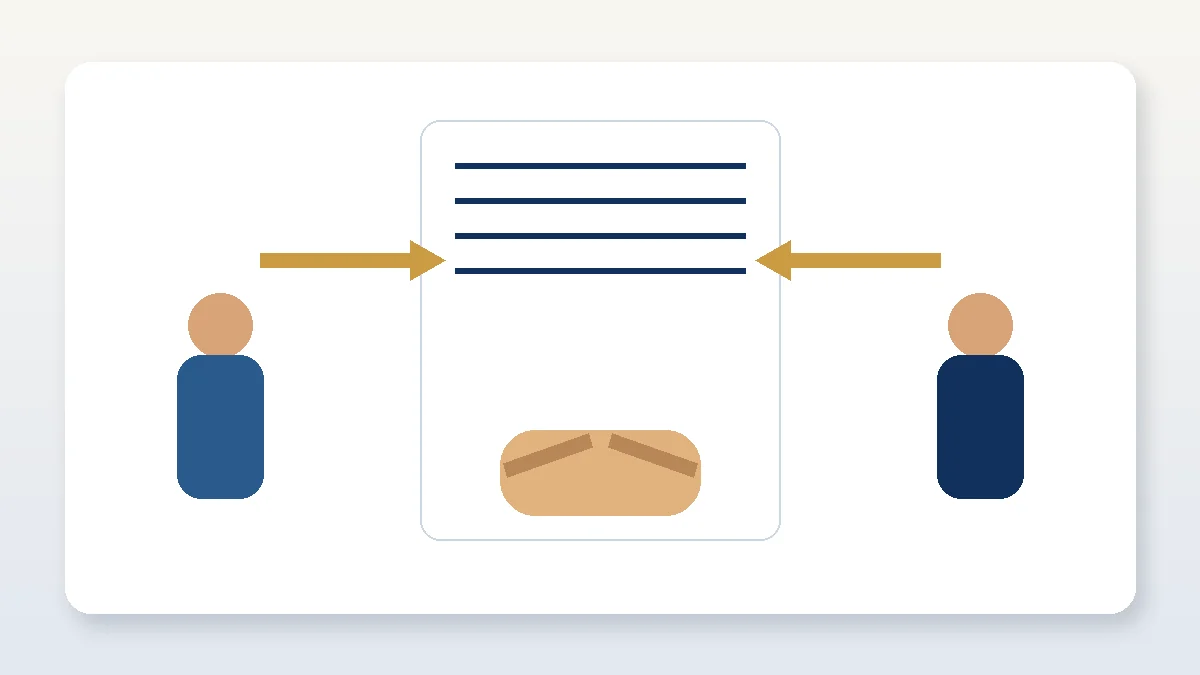
A signed buy-sell agreement can define what should happen when an owner dies, becomes disabled, retires, or leaves the company. But the document alone does not create the money needed to complete the transaction. When a death triggers the agreement, the surviving owners or the company may suddenly need substantial liquidity—often at the same moment the business is adjusting to a leadership loss.
That is why many closely held companies pair a buy-sell agreement with life insurance. The agreement sets the rules. The policy provides a potential source of cash.
For Texas partnerships, corporations, and family businesses, the planning challenge is not simply buying a policy. Ownership, beneficiaries, valuation, tax treatment, and the agreement itself must work together.
What Is a Buy-Sell Agreement?
A buy-sell agreement is a legally binding arrangement that controls how an owner’s interest may be transferred after specified events. It can establish who has the right or obligation to buy, how the business will be valued, how payment will be made, and what restrictions apply to outside transfers.
Common trigger events include death, disability, retirement, divorce, bankruptcy, termination of employment, or a voluntary desire to sell. The terms should be drafted by an attorney familiar with the company’s entity structure and state law.
P&C Life Insurance Agency’s buy-sell agreement and life insurance overview explains how insurance may support this broader succession plan.
Why Life Insurance Is Commonly Used for Funding
When an owner dies, the policy can create liquidity at a defined time. Without insurance, the surviving owners might need to use company cash, borrow money, sell assets, or pay the deceased owner’s family over many years. Each alternative can strain the business.
Life insurance may help the parties:
- Purchase the deceased owner’s shares or membership interest under the agreement.
- Provide the family with a more predictable source of value instead of an illiquid business interest.
- Reduce the need for emergency borrowing during a period of operational uncertainty.
- Keep ownership with the intended surviving owners or within the company.
- Create a clearer path for lenders, employees, vendors, and clients after the ownership change.
Cross-Purchase vs. Entity-Purchase Structures
The two most familiar structures differ mainly in who owns the policies and who buys the deceased owner’s interest.
| Feature | Cross-Purchase Agreement | Entity-Purchase Agreement |
| Policy owner and beneficiary | Each owner generally owns coverage on the other owner or owners | The business generally owns coverage on each owner |
| Buyer after death | Surviving owner or owners | The company redeems the interest |
| Number of policies | Can multiply quickly when there are several owners | Typically one policy per insured owner |
| Administrative simplicity | Usually easier with two owners | Often easier with multiple owners |
| Tax and basis considerations | May produce different basis results for surviving owners | Results depend on entity type and current tax law |
| Best fit | Simple ownership groups seeking direct purchase rights | Companies wanting centralized policy management |
There are also trusteed and hybrid arrangements. The appropriate structure depends on the entity type, number of owners, ages and health of the insureds, funding goals, and tax advice. Business owners should not choose a structure based only on administrative convenience.
How Much Life Insurance Should Fund the Agreement?
The policy benefit should connect to a current, credible valuation method. If the agreement uses a fixed dollar amount that has not been updated in years, the insurance may no longer match the purchase obligation.
Common Valuation Approaches
- Agreed value: Owners sign a value periodically. It is simple but easy to neglect.
- Formula value: The agreement uses revenue, earnings, book value, or another formula. The formula must reflect the real economics of the business.
- Independent appraisal: A qualified valuation professional determines fair value under a defined standard.
- Combination method: A formula or agreed value applies unless a triggering event requires an appraisal.
The life insurance amount may equal the expected purchase price, but additional coverage could be needed for transition costs or key person risk. Conversely, the business should avoid purchasing a benefit that cannot be supported by the economic purpose of the arrangement.
Term vs. Permanent Policies for Buy-Sell Funding
Term insurance can provide a substantial benefit with a lower initial premium and may fit an agreement where the owners expect to sell, retire, or restructure within a defined period. The tradeoff is that coverage can expire or become more expensive to replace later.
Permanent insurance can remain in force for life if required premiums are paid and policy conditions are met. Some policies build cash value that may become useful if an owner retires or the agreement changes. Permanent policies are more expensive and must be evaluated using both guaranteed and nonguaranteed values.
Owners comparing options can review P&C Life Insurance Agency’s term life insurance in Texas and whole life insurance information.
Do Not Overlook Key Person Risk
An owner may be both a shareholder and the company’s most important producer. The buy-sell policy addresses the ownership transfer; it may not leave additional money for recruiting, lost revenue, or debt. Separate key person life insurance may be needed to protect ongoing operations.
Important Design Details
- Policy ownership and beneficiary designations must match the agreement.
- Consent and underwriting must be completed for every insured owner.
- Premium obligations should be clear, especially when owners have different ages or health profiles.
- Valuation language should define the date, standard, discounts, and appraisal process.
- Disability funding requires separate planning because life insurance pays upon death, not disability.
- Transfer restrictions should address divorce, bankruptcy, termination, and voluntary sale.
- Review procedures should require regular updates rather than depending on memory.
Common Mistakes That Undermine the Plan
- Signing an agreement but never purchasing the policies.
- Buying policies before the attorney finalizes who should own and receive the proceeds.
- Using a fixed business value that is not updated after growth or financing.
- Allowing a policy to lapse without revising the agreement.
- Assuming one policy can cover the purchase price, operating disruption, debt, and family needs.
- Failing to address what happens when an owner leaves the company while still insured.
- Ignoring tax, estate, and accounting consequences when ownership changes.
A Practical Implementation Checklist
- Engage a business attorney to draft or review the agreement.
- Obtain a current business valuation or establish a defensible valuation process.
- Decide whether the buyer will be the company, the other owners, a trust, or a combination.
- Determine separate amounts for ownership purchase and operational protection.
- Compare policy types and complete underwriting before assuming coverage is available.
- Confirm that policy ownership, beneficiary designations, and premium payments match the agreement.
- Schedule annual reviews and immediate reviews after ownership, debt, or valuation changes.
Frequently Asked Questions
Is a buy-sell agreement required to use life insurance?
No. Other funding methods include cash reserves, installment payments, borrowing, and asset sales. Life insurance is popular because it may provide liquidity when a death occurs, but the strategy must fit the company and the owners.
What if one owner is difficult or expensive to insure?
The parties may consider different benefit amounts, blended funding, a longer installment period, alternative policy designs, or other contractual solutions. The agreement and funding plan should be developed together rather than forcing an unsuitable policy into the structure.
How often should the agreement and policies be reviewed?
At least annually and after major changes in value, ownership, health, debt, tax law, or the company’s strategic direction. Policy performance and beneficiary records should be reviewed at the same time.
Turn the Agreement Into a Funded Plan
A buy-sell agreement is strongest when its legal promises are supported by realistic funding. P&C Life Insurance Agency can help Texas business owners compare coverage options and coordinate the insurance discussion with their attorney and tax professionals. Explore the agency’s business succession insurance resources or request a personalized consultation.
This article is for general educational purposes only. It is not legal, tax, accounting, valuation, or insurance advice. Buy-sell agreements should be drafted and reviewed by qualified legal and tax professionals, and insurance products are subject to underwriting and carrier terms.

Comment (0)